

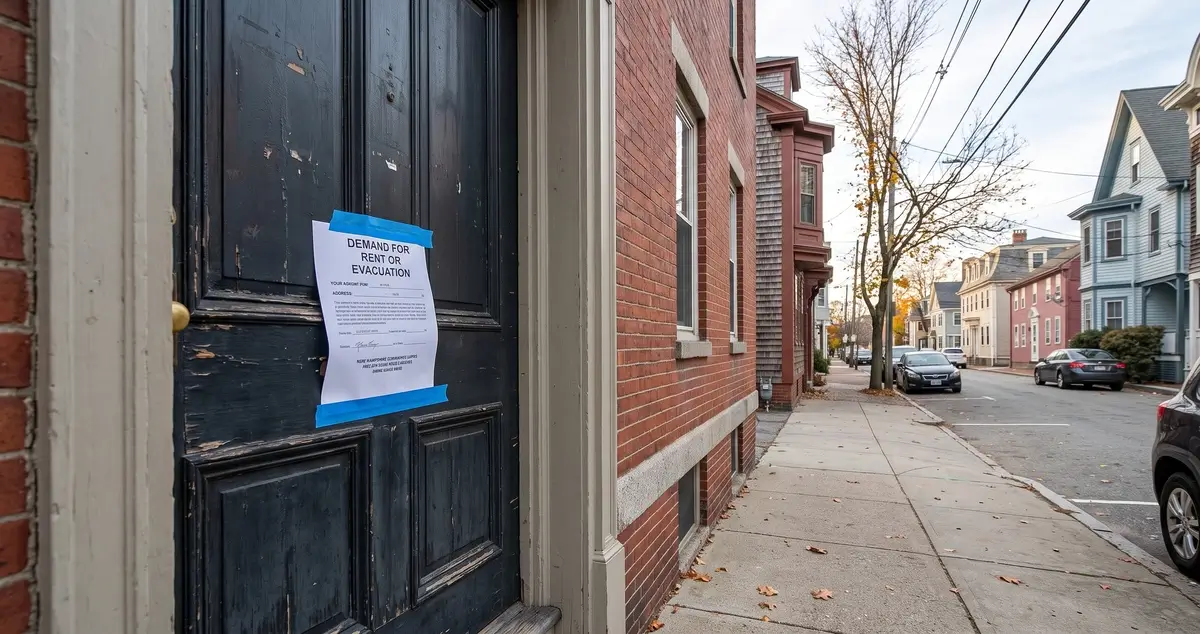
For years, winning an eviction case in New Hampshire could still leave a landlord waiting up to 3 months to regain the unit. That changed on October 8, 2026. HB 1598 is a New Hampshire eviction law that sets firmer court deadlines for tenants and shortens how long they can stay after a judgment. For Portsmouth landlords, it took effect just months after the state's no-fault eviction law changed how leases end. Below, we break down the new deadlines, the hearing-to-writ timeline, stay limits, and tenant conduct rules.
Key Takeaways
- Tenants contesting an eviction must now file a written answer within 5 days after the return date.
- Any tenant default now rules out a discretionary stay of dispossession.
- Discretionary stays are now generally capped at 60 days, with 75 days possible under a strict test.
- Household members and guests now share responsibility for property damage and unsafe behavior.
What HB 1598 Changes in New Hampshire's Eviction Process
HB 1598 changes what happens after a landlord files an eviction case in New Hampshire. It tightens court deadlines, limits post-judgment stays, and expands tenant conduct rules.
Key Dates and Chapter 308 Basics
Governor Ayotte signed HB 1598 into law on July 10, 2026, as Chapter 308. It took effect on October 8, 2026. The official bill record shows it amends existing procedures in RSA 540 and RSA 540-A instead of creating a separate eviction track.
How the New Rules Compare to the Old Ones
The biggest shifts are easiest to see side by side:
- Answer deadline: Tenants must now file an answer within 5 days after the return date, in addition to an appearance.
- Maximum stay: The general cap drops from 3 months to 60 days, with up to 75 days possible under a strict test.
What Remains the Same for Landlords
Notice-to-quit grounds and notice periods are unchanged, so the steps before filing a landlord-tenant writ stay the same. Lawmakers also removed the original bill's separate fast-track eviction before passage. In the final law, "expedited" describes tighter deadlines within the existing process.
Tighter Pre-Hearing Deadlines for Tenants and Landlords
Under HB 1598, tenants must raise their defenses earlier. For landlords, that means fewer surprises and more time to prepare.
The New 5-Day Answer Requirement
A tenant contesting an eviction must still file an appearance by the return date. Under RSA 540:13, the tenant must also file a separate answer within 5 days after that date. The answer lists any affirmative defenses and counterclaims.
Discovery Requests Tied to Specific Defenses
Each discovery request must now name the defense, claim, or counterclaim it relates to. A motion for more time to complete discovery is generally due within 5 days after the return date. Exceptions apply for good cause or when both parties agree.
Protection Against Surprise Defenses and Delays
If a tenant raises a defense at the hearing without prior notice, you are entitled to a continuance of up to 7 days, or longer if you request it. Motions to delay the hearing generally require good cause or both parties' agreement.
The Hearing-to-Writ Timeline Under HB 1598
HB 1598 adds stricter default rules to the path from a tenant's appearance in circuit court to the writ of possession.
Default Notices and Lost Stay Eligibility
A tenant who skips the appearance or the hearing on the merits is in default. The court mails a notice of default the following day. Under the amended RSA 540:13-c, a default also rules out any discretionary stay.
How a Contested Case Moves to a Writ of Possession
Once a tenant files an appearance, the NH eviction timeline generally follows this sequence:
- The hearing is scheduled within 10 days, with extra time allowed for discovery.
- The court mails notice of judgment no later than 2 days after the hearing.
- If both sides appeared and you win, the writ of possession issues 7 days after that notice.
Sheriff Delays No Longer Void a Writ
Under a new provision in RSA 540:14, a writ that was valid when you directed the sheriff to serve it stays valid despite later service delays.
Shorter Stays and Ongoing Rent Obligations
After a landlord wins, HB 1598 shortens how long a tenant can remain and keeps rent payments flowing.
The 60-Day Cap on Discretionary Stays
The new cap on a discretionary stay of eviction in NH is generally 60 days, down from 3 months. No stay is automatic, and the court must still find that justice requires one.
The 2-Part Test for a Stay of Up to 75 Days
A tenant can get up to 75 days only by proving both of the following:
- The longer stay will not cause you financial harm, property damage, or ongoing threats to the health or safety of you or other tenants.
- The tenant needs extra time due to factors such as age, familial status, disability, or limited English proficiency.
Rent Payments During Stays and Post-Judgment Motions
During any stay, the tenant must pay rent weekly in advance. A missed payment means the writ of possession issues right away. Tenants who file post-judgment motions or appeals must keep paying rent as it comes due until the motion or appeal is resolved. Eviction protection plans can also help with legal costs while a case is pending.
New Rules on Tenant Conduct and Property Access
HB 1598 expands who must follow the state's prohibited-conduct rules and strengthens landlord access rights.
Responsibility for Household Members and Guests
The amended RSA 540-A:2 now extends to household members, guests, and other occupants. None of them may willfully damage the property or deny other tenants quiet enjoyment. They also may not willfully act in ways that unreasonably and adversely affect the health or safety of other tenants, the landlord, or the landlord's agent. These rules matter most in multifamily buildings and condo communities.
Orders to Vacate and Broader Access Rights
After a hearing, a court can order the specific people who violated these health and safety rules to vacate. The order can also bar them from the unit and common areas. Tenants also may not willfully prevent necessary repairs or refuse access for other reasonable ownership functions after adequate notice.
FAQs
1. How long does an eviction take in New Hampshire under HB 1598?
The hearing is generally held within 10 days of the tenant's appearance. If both sides appeared and you win, the writ can issue 7 days after the court mails its judgment notice, though continuances or a stay can add time.
2. Do I need to change my notice to quit because of HB 1598?
No, notice-to-quit grounds and notice periods are unchanged. The procedural changes begin once the case reaches court.
3. What can I do if a tenant raises a surprise defense at the hearing?
You are entitled to a continuance of up to 7 days, or longer if you request it. Organized rent ledgers, leases, and notices make that window easier to use.
4. Does a tenant have to keep paying rent after I win the eviction case?
Yes, rent is due weekly in advance during any stay, and a missed payment triggers the writ right away. Tenants with pending post-judgment motions or appeals must also keep paying rent.
Why Prepared Landlords Gain the Most from HB 1598
HB 1598 moves eviction cases faster, but the real advantage goes to landlords who are prepared before a case starts. With hearings generally set within 10 days of a tenant's appearance, there is little time to rebuild missing records. The law also stops at the state line, so rentals in Kittery, York, or Newburyport still follow Maine or Massachusetts rules.
At Cardinal Point Property Management, we manage rentals across Portsmouth and nearby communities. Our Portsmouth eviction services handle notices, document service, and the court process through recovery of possession. Our optional Eviction Guarantee also helps cover potential eviction expenses for a small monthly add-on. Contact us today to protect your rental under the new rules.