

Key Takeaways
Property management companies charge two main fees: a leasing fee to place a tenant and an ongoing monthly fee for the length of the tenancy.
Sometimes fees are referred to differently, and some companies have additional charges such as inspection fees, eviction fees or annual account fees.
Ask for a full fee breakdown, consider your management needs and think about overall value when weighing your options.
Owners across the Seacoast region of New Hampshire, southern Maine, and northeastern Massachusetts often ask the same question when they first look at professional management: why are there two kinds of fees? One is charged when a new resident is found. The other is charged every month for ongoing management.
Many owners focus on the monthly percentage and overlook the one-time charges. Others fixate on the leasing fee and forget that the monthly fee will be paid for years. Understanding the difference helps you read proposals correctly, compare companies fairly and avoid surprises on your owner statement.
The names for these fees vary too. You may see leasing fee, placement fee, tenant procurement fee, or letting fee, and monthly management might appear as a management fee or administration fee.
Cardinal Point Property Management has helped owners with rental properties across the Seacoast region and nearby communities since 2012. This guide explains what each fee typically covers, how they work together, and how to decide whether you need one, the other or both.

Every company sets its own prices and terms, so treat the examples as illustrations and ask for a written fee schedule from any company you consider.
Curious About Property Management?
What a Leasing Fee Pays For
A leasing fee, sometimes called a placement fee or tenant placement fee, covers the work of finding and placing a new resident. That work generally includes pricing the home, preparing marketing materials, taking photos, advertising the property, answering inquiries, scheduling showings, screening applicants, preparing the lease and handling the move-in process.
It’s a concentrated burst of effort, and the fee is generally charged once, when a lease is signed. Because leasing happens only when there is a vacancy, owners with long-term residents may pay the leasing fee rarely. Owners with frequent turnover pay it more often.
Retention also protects you from the hidden costs around turnover: cleaning, painting, repairs and the weeks of vacancy between residents. When you evaluate a manager, ask about average tenancy length.
What a Monthly Management Fee Pays For
The monthly management fee covers the ongoing work of running the property after the resident moves in. That typically includes collecting rent, handling late payments, coordinating maintenance, communication, keeping records, providing owner statements and responding to problems.

Depending on the company, it may also include inspections, lease renewals and accounting support. This fee is typically charged each month that rent is collected.
The monthly fee is usually a percentage of rent, though some companies use a flat amount. Since the monthly fee is ongoing, even a small difference in the percentage can add up over time.
Looking for Professional Help?
How the Two Fees Work Together
Most full-service management agreements include both fees. You pay a leasing fee when a new resident is placed, and you pay a monthly fee for management during the lease.
Some companies also charge renewal fees, setup fees or inspection fees. Others offer a placement-only service in which you pay for finding a resident but manage the property yourself afterward.
This structure means the total cost depends on how long residents stay. A resident who stays for three years spreads one leasing fee over thirty-six months of management fees. A resident who leaves after one year means you pay the leasing fee again.
This is why many owners treat good communication, fair rent increases and responsive maintenance as part of their financial strategy, not just customer service
When Placement-Only Makes Sense
A placement-only service can be a good fit for owners who live nearby, have time to manage, and are comfortable with the day-to-day work, but want help finding a quality resident.
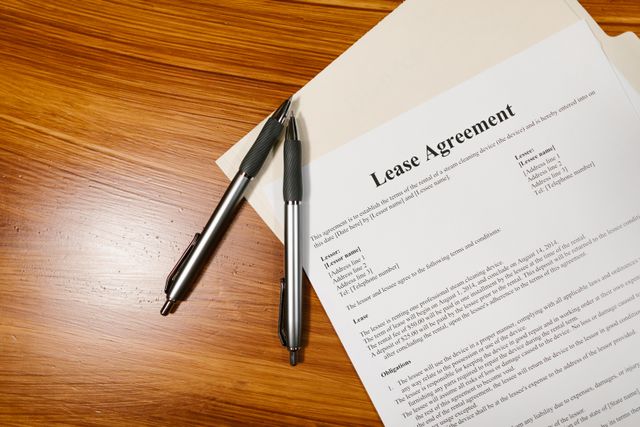
You pay once for marketing, tenant screening and a lease, then handle rent collection and maintenance yourself. It can save money, but it puts the responsibilities of ongoing management on you, including legal compliance and emergencies.
If you choose placement-only, make sure you understand what happens after the lease is signed. Ask whether the company will help with the move-in inspection, deposit handling and the first rent payment, and who to call if the resident has questions about the lease.
When Full-Service Makes Sense
Full-service management fits owners who live far away, own several properties, work long hours, or simply want a hands-off experience. It also helps when the legal environment is complex.
The states of New Hampshire, Maine and Massachusetts each have their own landlord-tenant laws on deposits, notices and evictions. Verify current requirements and consult a qualified attorney for legal questions.
Watch for Other Charges
Beyond the main two fees, ask about everything else. Possible charges include lease renewal fees, advertising costs, inspection fees, maintenance markups or coordination fees, eviction fees, early termination fees and annual account fees.
Read the termination clause closely. Some agreements require notice, a fee, or a waiting period if you decide to leave. A fair contract gives you a clear way to end the relationship if service doesn’t meet expectations.

A complete fee schedule makes it easier to compare companies and avoid being surprised later.
Think About Value, Not Just Price
A fee is only part of the story. Compare the services that come with it: marketing reach, screening quality, response times, maintenance coordination, owner reporting, and how the company handles problems.
A manager who fills the home faster, keeps residents longer, and avoids costly mistakes can be worth more than the fee.
Remember that the value of a service often shows up in what doesn’t happen: the vacancy that didn’t drag on, the complaint that didn’t escalate, or the repair that didn’t become an emergency.
Questions to Ask Before You Sign
What exactly does the leasing fee cover?
What does the monthly fee include, and what’s extra?
Is there a renewal fee, a setup fee, or an inspection fee?
How are repairs approved and billed?
What are the terms for ending the agreement?
What happens if a resident leaves early?
Bottom Line
Understanding the types of fees a property management company charges helps you better weigh your options. Ask for full fee schedules in writing from any property management company to make an informed decision.
If you’d like to see how the fees would work for your home, a conversation with a local team is a good place to start. Reach out to our team today.
Have Questions for Our Experts?
Frequently Asked Questions
What Should Owners With Multiple Properties Know About State Rule Differences?
Owners with properties near or across state lines face extra complexity. A home in Kittery, a rental in Newburyport, and a property in Portsmouth each fall under different state rules. A manager who handles all three regularly can help you avoid mixing up requirements.
How Can a Property Manager Help With Tenant Disputes?
A property manager acts as the neutral first point of contact, documenting issues and enforcing lease terms consistently. They handle complaints, noise and deposit disputes before they escalate, and follow the landlord-tenant laws that govern New Hampshire, Maine and Massachusetts. Good communication often resolves disputes without legal action.
Should Landlords Handle Ongoing Maintenance Themselves or Hire a Property Manager?
If you live nearby and have time, DIY maintenance saves money. But a manager coordinates vetted vendors, responds to emergencies around the clock and prevents small repairs from becoming costly problems.
What Does a Property Manager Do to Prevent Problems With Tenant Retention?
Managers keep good residents by handling maintenance promptly, communicating clearly and managing renewals fairly. They track lease dates, respond to concerns before they escalate and recommend reasonable rent increases. Longer tenancies mean fewer vacancies, less turnover cost and fewer leasing fees for you.
How Can Professional Property Management Make Budgeting and Accounting Easier for Landlords?
Managers can collect rent, track late payments and provide monthly owner statements, so income and expenses are clear at tax time. You avoid chasing payments and handling records yourself. Consistent reporting helps you plan for vacancies, repairs and future investments.