

Key Takeaways
A tenant moving out can feel stressful, but vacancies are a normal part of rental ownership. With the right plan in place, you can shorten downtime and protect your income.
Staying organized and starting early such as beginning renewal conversations and marketing before move‑out helps you avoid long gaps between residents.
Careful inspections, timely repairs, and smart updates make your property more appealing, helping you attract qualified applicants faster and maintain long‑term value.
Cardinal Point Property Management supports owners through every step of the turnover process, using proven systems to prepare the home, market it effectively, and place reliable tenants quickly.
A tenant moving out of your rental property can feel overwhelming, especially when you know it may lead to a temporary loss of income. An empty home means no rent coming in, and if the property isn’t prepared or marketed quickly, that vacancy can stretch into weeks or even months.
Many owners feel pressure during this time, but it’s a normal part of rental ownership and something every landlord experiences. The good news is that vacancies don’t have to derail your investment.
With the right plan, you can shorten the time your property sits empty and get a new resident in place sooner. Landlords who follow clear steps and stay organized often recover faster and avoid long gaps in income.
Cardinal Point Property Management helps owners navigate this process by using proven systems that keep properties rent‑ready and appealing to qualified applicants.
Below are practical strategies to help you prepare your rental, attract strong residents, and move through the turnover period with confidence.
8 Smart Steps to Get Your Rental Ready
1. Start Lease Renewal Conversations Early
Do not wait until the last month of a lease to check if your tenant plans to stay. Begin reviewing the situation about 90 days before the lease ends. This gives you time to evaluate the tenant’s performance and compare current rental rates in your area.

Around 60 days before the lease expires, send a written notice about renewal options. If the tenant plans to move out, ask for at least 30 to 60 days’ notice. Early communication helps you plan ahead and avoid unexpected vacancies.
2. Begin Marketing Before the Property Is Vacant
Finding the right tenant can take time, so it helps to start marketing early. Begin advertising your property about 4 to 6 weeks before the current tenant moves out.
This approach reduces vacancy time and gives you more time to screen applicants carefully. Be sure to follow local laws and give proper notice before showing the property. Clear communication with your current tenant helps make this process smoother.
3. Complete a Detailed Move-Out Inspection
Once the tenant leaves, perform a full inspection of the property. Use a checklist to review every area, including appliances, systems, and overall cleanliness.
This inspection helps you decide on any security deposit deductions and identifies what needs to be repaired or updated. It also gives you a clear idea of the time and cost required to prepare the home for the next tenant.
4. Check All Major Systems
Make sure key systems are working properly before listing the property again. This includes heating and cooling, plumbing, and electrical systems.
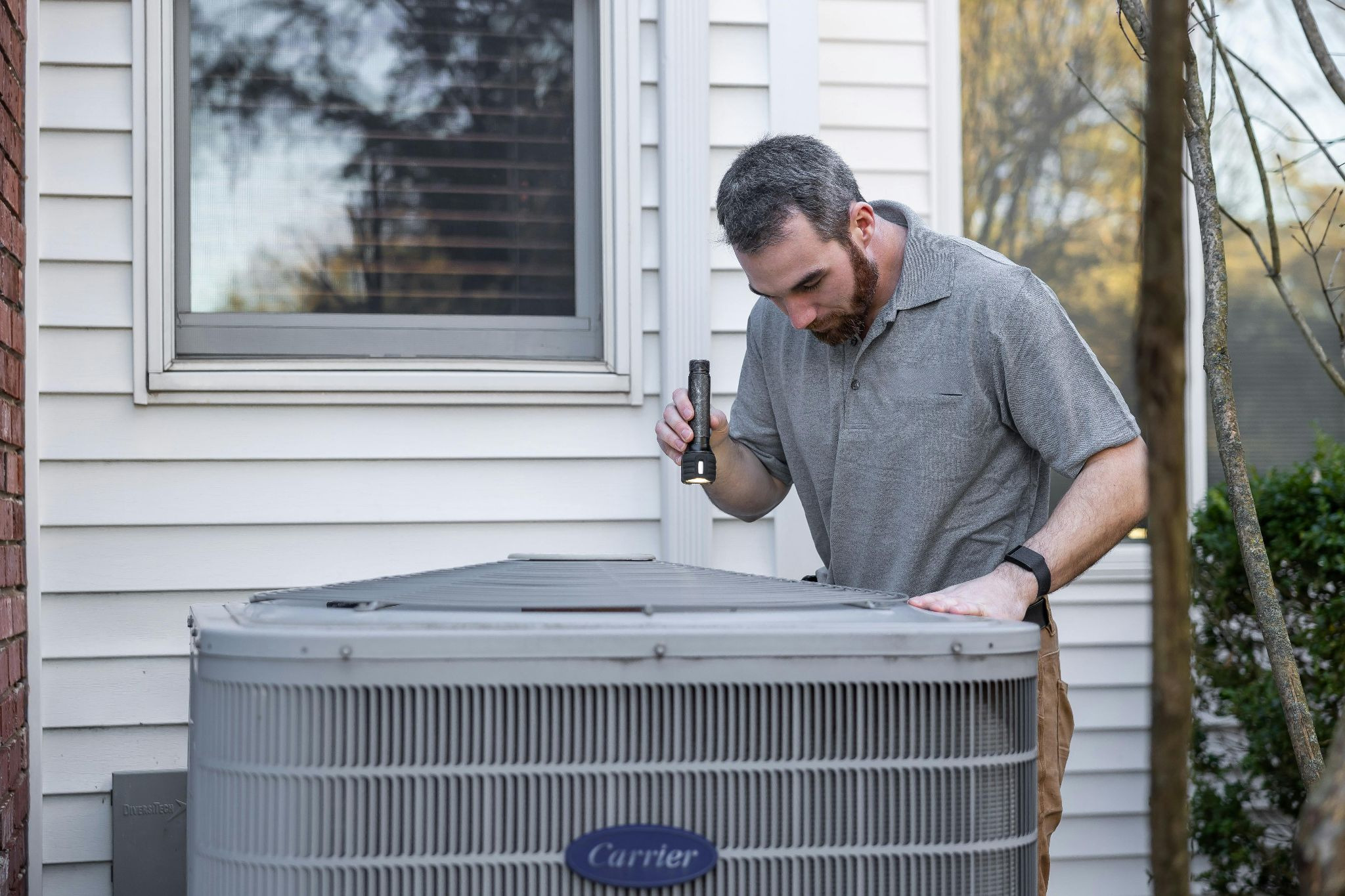
Replace air filters, check vents, and test the HVAC system. Inspect plumbing for leaks and confirm the water heater is working well. Test all lights, outlets, and appliances. Consistent home maintenance is important to take care of these items and helps prevent future issues.
5. Repair or Replace Damaged Items
Small repairs can make a big difference in how your property looks and feels. Fix loose door handles, sticky hinges, and damaged fixtures. Check for issues like cracked windows, worn flooring, or chipped paint.
If something has reached the end of its useful life, it is best to replace it. Keeping your property in good condition helps attract long-term tenants and supports long-term value.
6. Update Locks for Safety
For safety reasons, it is important to update or rekey locks between tenants. Even if keys were returned, there may still be copies.
Rekeying or replacing locks helps protect your property and gives new tenants peace of mind. You may also consider installing modern lock systems for added convenience and security.
7. Schedule a Professional Deep Cleaning
A clean property creates a strong first impression. Even if the previous tenant kept the home tidy, a professional cleaning service can take it to the next level.

Professional cleaners know how to remove hidden dirt and odors while protecting surfaces. A spotless home helps attract tenants faster and makes your property feel well cared for.
8. Make Smart, Cost-Effective Upgrades
Small renovations and upgrades can improve your rental’s appeal and value. Focus on changes that offer a strong return, such as fresh paint, updated lighting, or improved storage.
Other helpful updates may include durable flooring, modern hardware, and simple landscaping improvements. These changes can make your property stand out and attract long-term tenants.
Final Thoughts
Preparing your rental after a tenant moves out takes planning, attention to detail, and a clear process. When you start early, stay organized, and keep your property in good condition, you can reduce vacancy time and maintain steady rental income.
A well‑managed turnover not only protects your investment, it also sets the stage for a smoother experience with your next resident. For owners who don’t have the time or want extra support, partnering with a professional management team can make a major difference.
Cardinal Point Property Management handles inspections, repairs, marketing, showings, and resident placement, ensuring your property is ready quickly and presented at its best. With expert guidance and consistent communication, your rental stays occupied, well‑maintained, and performing the way you expect.